

Bruxism Treatment: Relief for Teeth Clenching & Grinding

Waking up with a sore jaw, tight temples or teeth that feel unusually sensitive can be a sign of bruxism, the term used for jaw clenching and teeth grinding. Bruxism treatment often starts with understanding what triggers the habit and how the jaw muscles respond to daily stress, sleep quality and posture. For many people, teeth clenching and grinding happens without any awareness at all, particularly during sleep. This article looks at what causes bruxism, how a structured jaw clenching treatment plan works and how TMJ physiotherapy can support long term jaw tension relief.
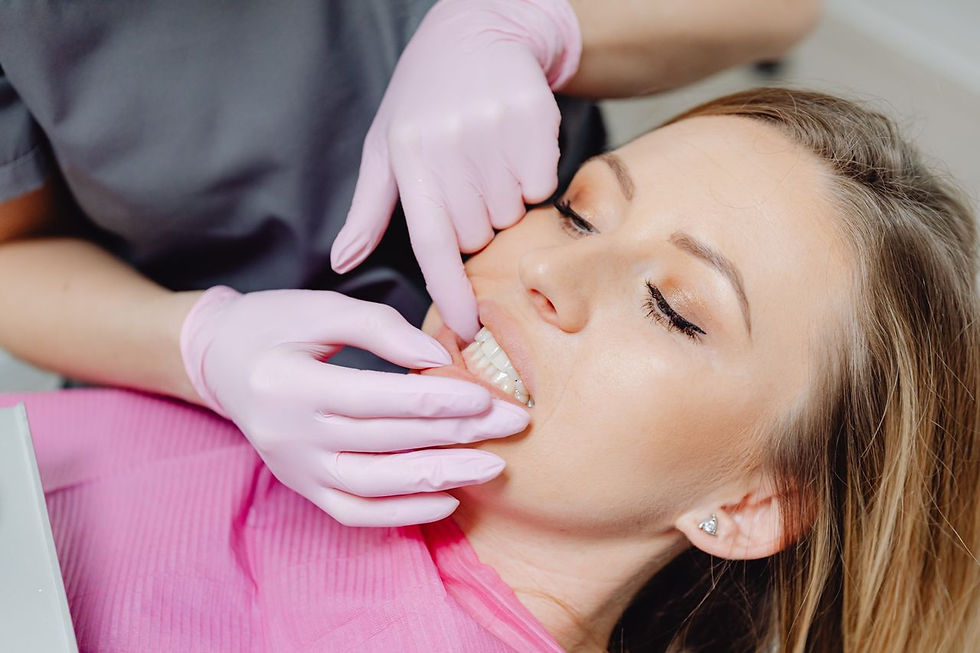
Understanding Bruxism and Jaw Clenching
Bruxism is generally grouped into two types: sleep bruxism, which occurs unconsciously overnight, and awake bruxism, which tends to happen during periods of concentration, stress or emotional tension. Both forms place repetitive load through the jaw muscles and the temporomandibular joint (TMJ), the hinge that connects the lower jaw to the skull. Over time, this repeated muscle activity can lead to aching jaw muscles, tension headaches, tooth sensitivity and a feeling of tightness around the temples and cheeks.
Because the symptoms of bruxism can be mild at first, many people do not realise they are clenching or grinding until a dentist notices tooth wear, or until jaw tension starts to affect daily comfort. Recognising the early signs is an important first step toward finding a management approach that suits the individual.
What Are the Main Causes of Bruxism?
Bruxism is considered a multifactorial condition, meaning it is rarely caused by a single factor. Research continues to explore the relationship between stress, sleep and jaw muscle activity, and most clinicians agree that a combination of the following contributes to teeth clenching and grinding.
Stress and Emotional Tension
Stress and heightened emotional tension are among the most consistently reported contributors to bruxism. When the nervous system is under pressure, jaw muscles can tighten involuntarily, both during the day and overnight. People going through demanding periods at work, study or in their personal life often notice their jaw clenching becomes more frequent.
Sleep Quality and Airway Factors
Sleep bruxism has also been linked to disrupted sleep patterns and airway related factors that affect how restfully a person sleeps. Poor sleep quality can increase muscle activity overnight, which may explain why many people are unaware of their grinding until a partner mentions the sound or a dentist identifies wear on the teeth.
Lifestyle and Habitual Triggers
Everyday habits can also play a role, including high caffeine intake, smoking, alcohol consumption and habits such as chewing gum or biting on pens. Posture, particularly prolonged forward head positioning while working at a desk or looking at a phone, can add further strain to the jaw and neck muscles, compounding existing tension.
Can Physiotherapy Help Stop Jaw Clenching and Grinding?
TMJ physiotherapy focuses on the muscles, joints and movement patterns involved in jaw function rather than the teeth themselves. A physiotherapist can assess how the jaw, neck and upper back are working together, identify areas of excess muscle tightness and guide a personalised program of manual therapy, jaw mobility exercises and postural correction. This approach aims to reduce muscle overactivity and support more relaxed jaw positioning throughout the day.
While physiotherapy does not remove the underlying triggers of bruxism, such as stress, it can help the body manage the physical load that clenching and grinding place on the jaw. Many people also find that combining physiotherapy with stress management strategies and, where appropriate, guidance from a dentist gives a more complete jaw clenching treatment plan.
Recognising TMJ-Related Jaw Tension
TMJ clenching pain can present differently from person to person, which is why an individual assessment is useful before starting any treatment. Some people notice pain that is isolated to the jaw joint, while others experience wider referred tension through the head, neck and shoulders.
Common Signs to Watch For
Typical signs include a tired or tight feeling in the jaw upon waking, clicking or popping sounds when opening the mouth, difficulty opening the jaw fully, and recurring headaches around the temples. If these symptoms are persistent, discussing them with a healthcare professional can help clarify the most suitable next steps.
Simple Habits That May Support Jaw Muscle Relief
Alongside professional treatment, small daily habits may help ease jaw muscle tightness and reduce the frequency of clenching episodes. These are general wellbeing suggestions rather than a substitute for individual clinical advice.
Consider incorporating the following into a daily routine:
• Gentle jaw stretches to encourage relaxed muscle tone
• Mindful breaks throughout the day to notice and release jaw clenching
• Reducing caffeine intake, particularly later in the day
• Applying a warm compress to tight jaw muscles in the evening
• Maintaining an upright, supported posture while working at a desk
Bruxism Treatment: Can Bruxism Be Cured?
Bruxism is often better described as a condition that is managed rather than permanently cured, since it is closely tied to ongoing factors such as stress and sleep quality. With the right combination of jaw physiotherapy, lifestyle adjustments and, where needed, dental support, many people are able to noticeably reduce symptoms and protect their teeth and jaw from further strain. Results vary from person to person, so an individualised plan generally works best.
TMJ Physiotherapy With Sydney Allied Health Group
At Sydney Allied Health Group, our TMJ physiotherapy service is designed around each person's individual jaw pattern, muscle tension and daily triggers. Our team works collaboratively across physiotherapy, exercise physiology and podiatry, so if jaw tension is connected to broader posture or movement habits, this can be considered as part of a wider treatment plan.
If teeth clenching and grinding are affecting your comfort, sleep or daily routine, an assessment can help identify practical, evidence-based options suited to your situation.
📅 Book a TMJ physiotherapy assessment with Sydney Allied Health Group and take the next step toward relieving jaw tension.
References
Chemelo, V.S., Né, Y.G.S., Frazão, D.R., Souza-Rodrigues, R.D., Fagundes, N.C.F., Magno, M.B., Silva, C.M.T., Maia, L.C., & Lima, R.R. (2020). Is There Association Between Stress and Bruxism? A Systematic Review and Meta-Analysis. Frontiers in Neurology, 11:590779. https://pmc.ncbi.nlm.nih.gov/articles/PMC7793806/