

How to Build a Strength and Conditioning Program That Works

Building a strength and conditioning program that delivers real results takes more than picking a few exercises and repeating them each week. Whether you are working towards injury prevention, improved athletic performance, or better everyday function, a well-structured strength conditioning program considers your individual capacity, goals, and health status. This article outlines the key principles behind effective training and conditioning, so you can approach your fitness with greater confidence and clarity.
What Are Strength and Conditioning Programs?
A strength and conditioning program is a structured approach to physical training that combines resistance-based strength work with conditioning exercises designed to improve cardiovascular capacity, endurance, and overall physical performance. Unlike general fitness classes, a strength conditioning program is built around specific goals and progressively adjusted based on how the body responds over time.
These programs are widely used across athletic performance settings, rehabilitation contexts, and general health improvement. Research published in the Deutsches Arzteblatt International (Kemmler and Stengel, 2011) highlights that structured strength training, when appropriately designed for the individual, can produce meaningful improvements in muscle mass, bone density, and metabolic health across different age groups. The same principles of progressive overload and specificity that apply in elite sport are relevant for everyday people looking to move and feel better.
What Are Strength and Conditioning Programs?
At their core, strength and conditioning programs are planned training systems that combine muscular strength development with physical conditioning work. They are built around evidence-based principles rather than random exercise selection, and they are typically individualised to suit the person's current fitness level, training history, and objectives.
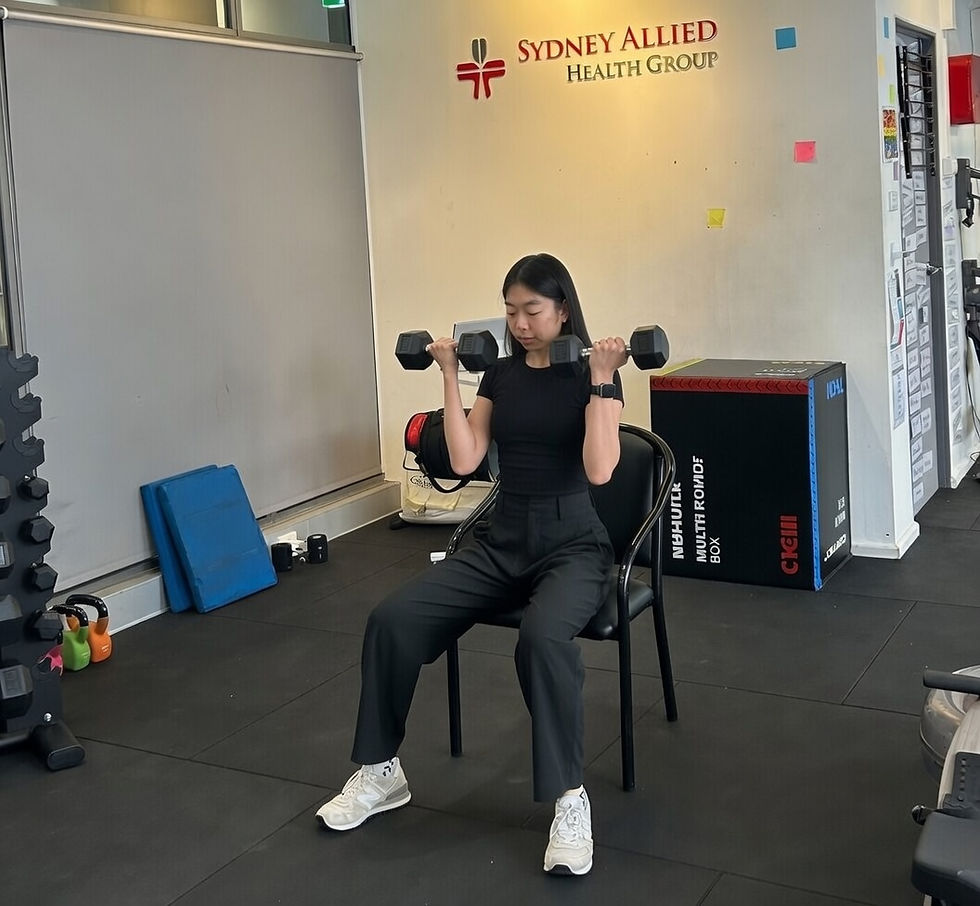
The Role of Strength Training
Strength training involves applying resistance to muscles to stimulate adaptation over time. This might include bodyweight exercises, free weights, resistance machines, or cable systems. The goal is to progressively increase the demand placed on the muscles so that they grow stronger and more resilient. When designed well, a strength training plan reduces injury risk, supports joint health, and improves functional capacity for daily tasks.
The Role of Conditioning Training
Conditioning training targets the cardiovascular and metabolic systems. It may include aerobic work such as steady-state cardio, or higher-intensity formats like interval training. In a well-balanced strength conditioning program, conditioning workouts complement strength sessions by improving recovery capacity, supporting heart health, and building overall endurance. The ratio of strength to conditioning work depends on individual goals and should be carefully considered when designing a program.
How They Work Together
Effective training and conditioning programs integrate both components in a way that avoids overtraining while still providing sufficient stimulus for progress. This requires an understanding of load management, recovery needs, and how different types of training interact within the same weekly schedule. Poor programming often leads to fatigue, plateau, or injury, which is why professional guidance can make a significant difference.
What Are 5 Examples of Strength Training?
Strength conditioning workouts can take many forms. Below are five common examples used in strength and conditioning programs, each offering distinct benefits depending on individual needs and goals.
1. Squats
Squats are a foundational lower-body exercise that targets the quadriceps, hamstrings, and glutes while also engaging the core. They can be performed using bodyweight, a barbell, or dumbbells, making them accessible at virtually any training level. Squats are a staple in most strength training plans because of their high functional carryover to everyday movements such as sitting, standing, and climbing stairs.
2. Deadlifts
Deadlifts train the posterior chain, including the hamstrings, glutes, lower back, and upper back. They are highly effective for building overall strength and developing the capacity to lift from the floor safely. Variations such as Romanian deadlifts or trap bar deadlifts can be used to modify the movement for different ability levels or rehabilitation requirements.
3. Push-Ups and Bench Press
These upper-body pressing movements develop the chest, shoulders, and triceps. Push-ups require no equipment and can be scaled to suit a wide range of fitness levels, while the bench press allows for progressive loading over time. Both are common inclusions in strength conditioning workouts targeting the upper body.
4. Rows
Rows are pulling movements that train the muscles of the back, including the rhomboids, trapezius, and biceps. They are essential for maintaining muscular balance, particularly for individuals who spend long hours seated at a desk. Dumbbell rows, cable rows, and resistance band rows all fall within this category and are frequently featured in conditioning strength training programs.
5. Lunges
Lunges are a unilateral lower-body exercise that develops strength in each leg independently. This makes them particularly useful for addressing muscular imbalances between limbs. Walking lunges, reverse lunges, and lateral lunges each place slightly different demands on the body and can be incorporated into a strength conditioning program based on individual needs.
Key Principles Behind an Effective Strength and Conditioning Program
A strength and conditioning program is only as effective as the principles it is built upon. Understanding these foundations helps you make informed decisions about your training, whether you are working independently or with a professional.
Progressive Overload
Progressive overload means gradually increasing the demands placed on the body over time. This could involve adding more weight, completing more repetitions, reducing rest periods, or increasing session frequency. Without this progression, the body adapts to the existing stimulus and improvement slows. It is one of the most important concepts in any strength conditioning program.
Specificity
Training adaptations are specific to the type of training performed. A program focused on building lower-body strength will produce different results from one focused on cardiovascular endurance. When designing a strength training plan, exercises should align closely with the outcomes you are working towards, whether that is sport performance, injury rehabilitation, or general health.
Recovery and Adaptation
Training creates the stimulus; recovery is when adaptation actually occurs. Insufficient recovery between sessions can impair progress and increase injury risk. A well-designed program accounts for rest days, sleep quality, nutrition, and the cumulative load across a training week. This is an area where many self-designed programs fall short.
Common Mistakes in Strength Conditioning Programs
Many people begin a strength conditioning program with good intentions but make avoidable errors that limit their progress. Understanding these pitfalls can help you stay on track:
• Skipping warm-up and cool-down routines, which increases injury risk and reduces training quality
• Programming too much volume too soon, leading to excessive fatigue or overuse injury
• Neglecting conditioning workouts in favour of strength work only, which can reduce cardiovascular fitness and recovery capacity
• Failing to track progress, making it difficult to apply progressive overload consistently
• Following a generic program without adjusting it to suit individual health considerations or movement limitations
Exercise Physiology and Strength Training in Balmain
If you are unsure where to start or want a strength and conditioning program tailored to your specific health needs and goals, working with a qualified exercise physiologist is one of the most effective approaches available. An accredited exercise physiologist can assess your current capacity, identify any limitations, and design a program that builds strength and conditioning safely and progressively.
At Balmain Physiotherapy by Sydney Allied Health Group, the exercise physiology team works with individuals across a wide range of goals, from rehabilitation and chronic condition management to general strength development and performance improvement. Programs are evidence-based, individually designed, and adjusted over time as you progress.
📅 Book an exercise physiology session with Sydney Allied Health Group in Balmain and get a strength and conditioning program designed around your individual goals and health needs.
References
Kemmler W, Stengel S. (2011). The Intensity and Effects of Strength Training in the Elderly. Deutsches Arzteblatt International, 108(21), 359-364. https://pmc.ncbi.nlm.nih.gov/articles/PMC3117172/


