

Prevention & Management of Knee Pain

Updated: Oct 16, 2025

Has that niggling knee pain been hanging around for too long?
Whether it’s during walks, gardening, travel, or returning to regular exercise, knee discomfort is one of the most common complaints this time of year. After a more sedentary winter, increased movement can reveal hidden imbalances, stiffness, or old injuries that have quietly built up over time.
Your knees are more than just a hinge joint , they play a vital role in your mobility, strength, and balance. When your knees aren’t functioning properly, it can impact your confidence, limit your activities, and even affect how other joints (like your hips or ankles) perform.
Common signs of knee dysfunction include:
· Pain when climbing stairs or walking downhill
· Stiffness after sitting for long periods
· Clicking, grinding, or swelling
· Feeling unstable or unbalanced on your feet
Most knee pain can be managed, reduced, and often prevented with the right approach. This month, our physiotherapists and exercise physiologists are shining a spotlight on knee health.
A thorough assessment can help identify:
· Muscle imbalances (e.g., weak glutes or tight quads)
· Joint overload due to poor movement mechanics
· Structural issues like early osteoarthritis or meniscal wear
· Previous injuries that haven’t healed properly
With this insight, your clinician can guide you through a tailored plan designed to relieve pain, improve movement, and build long-term strength.
Your plan may include:
· Gentle mobility work to improve joint range
· Targeted strengthening of the hips, thighs, and calves
· Balance training to restore stability
· Education on pacing, footwear, and activity modification
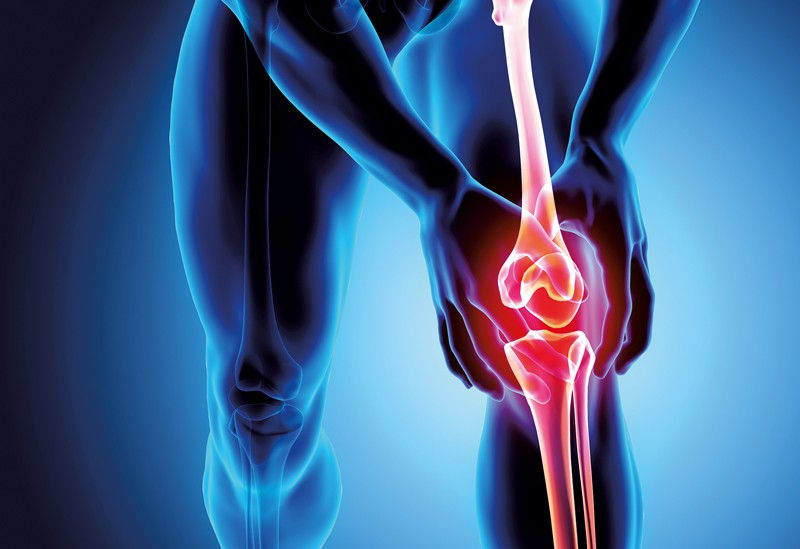
There are several knee issues that tend to flare up in spring and summer:
Patellofemoral pain syndrome (runner’s knee): Pain around the kneecap, often from muscle imbalance or overuse
Osteoarthritis: Age-related joint wear that can lead to stiffness, swelling, and discomfort
Meniscus injuries: Cartilage damage that may cause catching, locking, or pain during twisting movements
Tendinopathy: Inflammation or degeneration of the knee tendons, common in people increasing their activity after a break
The key is early intervention. Addressing symptoms early before they become chronic gives you the best chance at a full recovery.
Whether you’re aiming to stay active, return to sport, or simply move more comfortably day-to-day, taking care of your knees now sets you up for a stronger, more mobile summer. Book in with one of our physiotherapists today to assess your knee function, address pain, and build strength from the ground up. This content is intended for general informational purposes only and should not be taken as medical advice, diagnosis, or treatment. The information provided is for educational purposes and may not apply to individual circumstances. For personalised advice, please consult one of our qualified health professionals.


