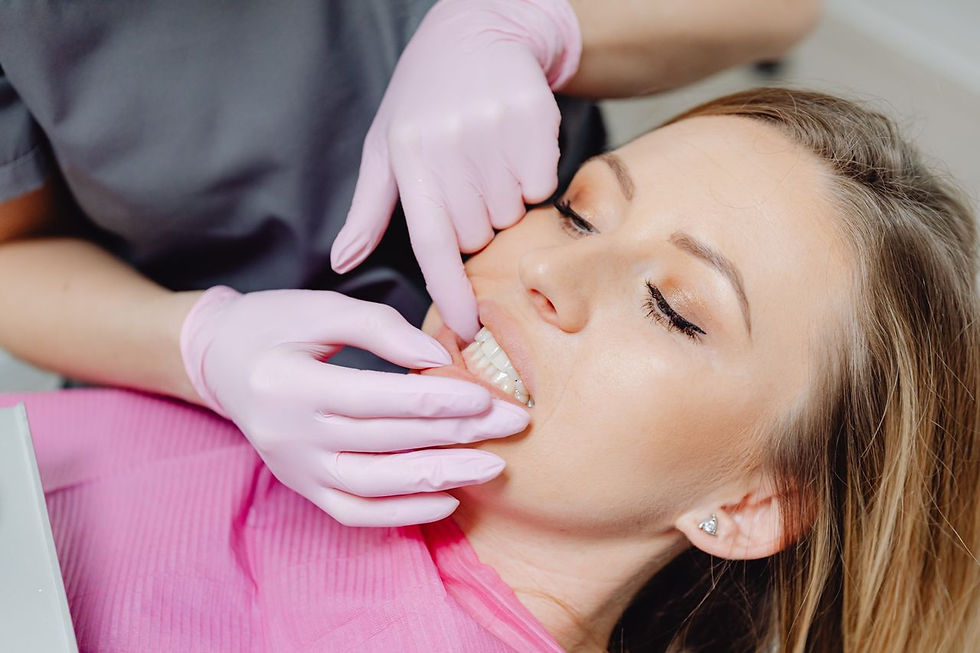
Jaw Joint Dysfunction of the TMJ: Causes and Physiotherapy Treatment Options

The jaw is one of the most frequently used joints in the body, involved in speaking, chewing, and even resting posture throughout the day. When something disrupts its normal movement, the result is often described as jaw joint dysfunction, a broad term for problems affecting the temporomandibular joint (TMJ). Common signs include clicking, popping, catching, or a jaw that feels uneven on one side compared to the other. This article looks at what causes these changes within the joint and how physiotherapy can support smoother, more comfortable jaw movement.

What Is Jaw Joint Dysfunction?
Jaw joint dysfunction, often grouped under the broader term temporomandibular joint disorder (TMD), refers to a range of issues affecting the joint that connects the lower jaw to the skull. This joint relies on a small disc that sits between the bones, cushioning movement as the mouth opens and closes. When the disc shifts out of its usual position or the surrounding structures become irritated, the joint may no longer glide as smoothly as it should.
This kind of dysfunction can develop gradually over months or years, and it is not unusual for people to notice jaw clicking and locking long before they experience any discomfort. Understanding the underlying mechanics is a useful first step toward addressing the issue with appropriate, evidence-based care.
What Are the Symptoms of TMJ Dysfunction?
Symptoms of TMJ dysfunction vary from person to person, but they tend to fall into a few recognisable patterns. Some people notice sounds coming from the joint, while others feel tightness, discomfort, or a change in how the jaw moves. Below are some of the most commonly reported signs.
Jaw Clicking, Popping and Catching
One of the most recognisable symptoms is a clicking or popping sound during opening or closing of the mouth. This is often linked to the disc within the joint moving slightly out of alignment before returning to place. In some cases, the jaw may catch or feel briefly stuck, which can be unsettling even when it resolves on its own within a few seconds.
Pain and Muscle Tension
Discomfort around the jaw, temples, ears, or neck is another common feature of TMJ dysfunction. This is frequently related to the surrounding muscles working harder to compensate for altered joint movement, which can lead to a feeling of tightness, particularly toward the end of the day or after prolonged talking or chewing.
Jaw Joint Asymmetry and Restricted Movement
Some individuals notice their jaw drifting to one side when opening the mouth, or a visible difference in how far it opens compared to before. This jaw joint asymmetry can develop when one side of the joint is affected more than the other, altering the way the lower jaw tracks during movement.
Can You Live With TMJ Without Surgery?
For many people, jaw joint dysfunction can be managed effectively without surgical intervention. Conservative approaches such as physiotherapy, activity modification, and targeted exercises are generally recommended as a first line of management, and a large proportion of people find meaningful improvement in comfort and jaw function through these methods alone.
Surgery is typically reserved for a small number of cases where structural changes within the joint are significant and conservative care has not achieved the desired outcome. Any decision about treatment pathways should be made in consultation with an appropriate healthcare provider, based on individual assessment of the joint and surrounding structures.
What Are the Treatment Options for TMJ Arthritis?
When degenerative changes affect the temporomandibular joint, often referred to as TMJ degeneration, management usually focuses on reducing joint load and supporting healthy movement patterns. This can include guided jaw exercises, manual therapy techniques, postural adjustments, and education around habits that may be placing extra strain on the joint, such as clenching or resting the chin on a hand for long periods.
A structured, multidisciplinary approach often gives the best long-term results, allowing the joint to be supported from several angles rather than relying on a single form of treatment. Working with a qualified physiotherapist can help tailor a plan around each person's specific presentation.
What Causes TMJ Degeneration and Disc Displacement?
A number of factors can contribute to jaw joint dysfunction over time. Repetitive strain from teeth grinding or clenching, previous jaw injury, postural habits, and general wear within the joint can all play a role in how the disc and surrounding tissue behave.
Structural and Postural Contributors
The position of the head, neck, and shoulders can influence how the jaw sits and moves. Prolonged forward head posture, common with extended screen use, can place additional load on the muscles that support the jaw, potentially contributing to imbalance and joint asymmetry over time.
How Physiotherapy Supports Jaw Joint Dysfunction
Physiotherapy for jaw joint dysfunction generally focuses on restoring balanced movement, reducing unnecessary strain on the joint, and building awareness of habits that may be contributing to symptoms. A tailored program may include:
Guided jaw mobility and stretching exercises
Manual therapy to the jaw, neck, and surrounding muscles
Postural correction strategies for the head and neck
Education on jaw-friendly habits and load management
TMJ Physiotherapy in Balmain With Sydney Allied Health Group
If jaw clicking, catching, or discomfort has been affecting your daily routine, Sydney Allied Health Group offers TMJ and jaw physiotherapy as part of its multidisciplinary allied health services in Balmain. The team works collaboratively to assess jaw movement alongside posture and surrounding muscle function, supporting a well-rounded approach to care.
Every jaw presents differently, so treatment plans are developed around each person's individual goals and movement patterns rather than a one-size-fits-all approach.
📅 Book a TMJ physiotherapy session with Sydney Allied Health Group in Balmain and take the next step toward smoother, more comfortable jaw movement.
References
Poluha, R. L., et al. Temporomandibular joint disc displacement with reduction: a review of mechanisms and clinical presentation. PMC (National Library of Medicine). https://pmc.ncbi.nlm.nih.gov/articles/PMC6382319/