

Seated Core Exercises For Seniors: EP Advice, Programs & FAQs for Older Adults

Updated: Jun 24
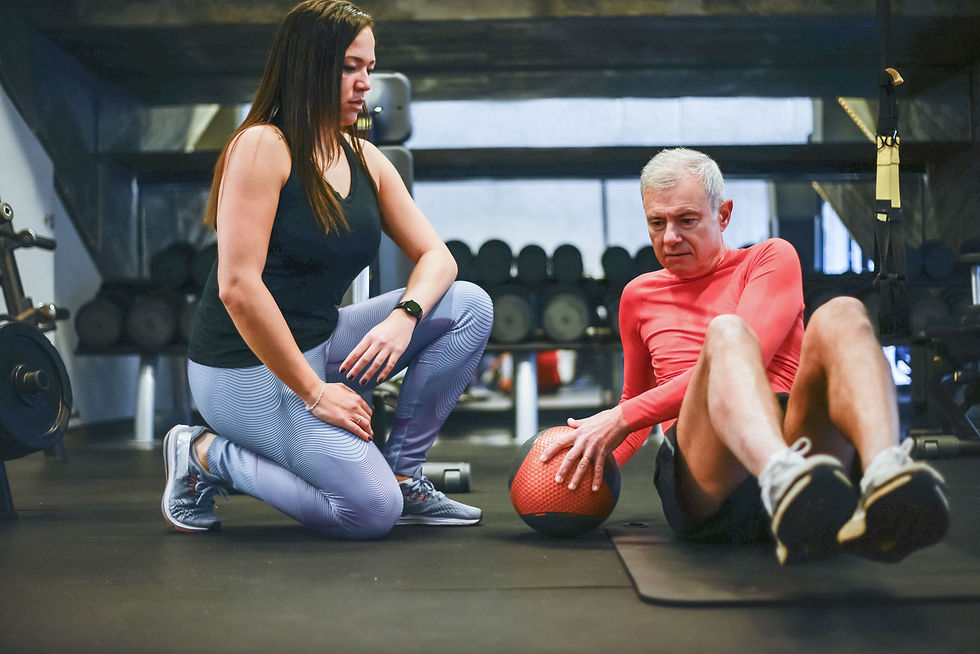
Maintaining core strength becomes increasingly important as we age. The core muscles support balance, posture, and functional movement in daily activities. For older adults who may experience mobility limitations, arthritis, or balance concerns, seated core exercises offer a safe and effective approach to strengthening these vital muscle groups.
Chair-based exercises provide stability and reduce fall risk while still delivering meaningful strength benefits. Research shows that supervised exercise programs can improve functional capacity and quality of life in older adults. This article explores evidence-based seated core exercises suitable for seniors, along with practical guidance from an exercise physiology perspective.
Understanding Seated Core Exercises for Seniors
The core encompasses more than just abdominal muscles. It includes the muscles of the abdomen, lower back, hips, and pelvis that work together to stabilise the spine and trunk. These muscles support nearly every movement we perform, from standing up to reaching overhead.
Age-related changes can affect core function. Muscle mass naturally decreases with age, a process called sarcopenia. Reduced activity levels, joint changes, and chronic conditions can further impact strength and stability. Maintaining core strength helps preserve independence and reduces the risk of falls and injuries.
Seated core exercises for seniors pdf provide accessibility for those with limited standing tolerance or balance difficulties. Chair-based programs allow individuals to focus on proper muscle engagement without worrying about stability. This approach suits people with arthritis, neurological conditions, or those recovering from injury.
When beginning a new core exercise routine, especially for seniors managing reduced balance or underlying health conditions, it can be helpful to have exercises reviewed or prescribed by a qualified health professional. Physiotherapists can assess individual strength and stability levels and ensure that seated movements are both safe and appropriately targeted to improve trunk control and functional movement. Clinics such as Balmain Physiotherapy by Sydney Allied Health often incorporate chair-based and progressive core strengthening exercises into personalised programs, helping older adults build stability in a way that aligns with their comfort level and long-term mobility goals.
What Are the Best Seated Core Exercises for Seniors?
The most effective seated core exercises target multiple muscle groups while remaining safe and manageable for older adults. These movements can be performed using a stable chair without arms, allowing for proper posture and range of motion.
Seated Marching
This simple movement engages the lower abdominals and hip flexors. Sitting upright with feet flat on the floor, alternately lift each knee towards the chest in a controlled marching motion. The movement should be deliberate, focusing on engaging the abdominal muscles rather than momentum.
Aim for 10 to 15 repetitions on each leg. This exercise also improves hip mobility and coordination, both important for walking and stair climbing.
Seated Torso Rotations
Rotational movements strengthen the oblique muscles along the sides of the abdomen. Sit tall with hands behind the head or crossed over the chest. Slowly rotate the upper body to one side, keeping the hips stable and facing forward.
Return to centre and repeat on the opposite side. Perform 8 to 12 rotations per side. This exercise supports functional movements like reaching and turning.
Seated Pelvic Tilts
Pelvic tilts activate the deep core stabilisers and lower back muscles. Sit forward on the chair with feet flat and hip-width apart. Gently tilt the pelvis forward, creating a small arch in the lower back, then tilt backward, rounding the spine slightly.
The movement should be subtle and controlled. Complete 10 to 15 repetitions. This exercise improves awareness of neutral spine position and strengthens postural muscles.
Seated Side Bends
Side bending targets the obliques and lateral trunk muscles. Sit upright with one arm reaching overhead. Slowly bend sideways, sliding the opposite hand down the leg for support. Return to the starting position with control.
Perform 8 to 10 bends on each side. This movement maintains lateral flexibility and strengthens the muscles that support side-to-side balance.
How to Work Your Core While Sitting?
Core engagement can happen throughout the day, not just during dedicated exercise sessions. Understanding how to activate these muscles while sitting improves posture and builds endurance in the stabilising muscles.
Maintaining Proper Seated Posture
Good posture is the foundation of seated core work. Sit towards the front of the chair with feet flat on the floor and hip-width apart. Align the shoulders over the hips and lengthen through the spine.
Imagine a string pulling the top of the head towards the ceiling. This alignment naturally engages the core muscles. Avoid slouching or leaning heavily against the backrest during exercise.
Breath and Core Connection
Proper breathing enhances core activation. During seated exercises, exhale during the effort phase of the movement. For example, breathe out while lifting the knee during seated marching or while rotating during torso twists.
This breathing pattern naturally engages the deep abdominal muscles. Avoid holding your breath, which can increase blood pressure and reduce the effectiveness of the exercise.
Progressive Engagement
Start with basic awareness of core muscles before adding movement. Sit upright and gently draw the navel towards the spine without holding your breath. Hold this light contraction for 5 to 10 seconds, then relax.
Practice this activation several times throughout the day. As awareness improves, maintain this engagement while performing other seated activities like reading or watching television.
Chair Core Exercises for Seniors with Arthritis
Arthritis affects many older adults, causing joint pain and stiffness. Seated core exercises offer a low-impact option that minimises stress on affected joints while maintaining strength and function.
Modifying Exercises for Arthritis
Individuals with arthritis may need to adjust range of motion and intensity. Smaller movements performed with good control are more beneficial than larger movements that cause pain. Start with shorter sessions of 5 to 10 minutes and gradually increase duration as tolerance improves.
Using a chair with adequate cushioning can reduce discomfort. Warm up with gentle seated movements before beginning core exercises. This increases blood flow to muscles and joints, improving comfort during activity.
Creating a Seated Core Exercise Program
A well-structured program includes exercise selection, frequency, and progression. Consistency yields better results than sporadic intense efforts.
Frequency and Duration
Aim for core exercises three to four times per week. Allow at least one day of rest between sessions for muscle recovery. Begin with 10 to 15 minutes per session and gradually increase to 20 to 30 minutes as strength improves.
Each exercise should be performed with good form rather than rushing through repetitions. Quality of movement matters more than quantity.
Progression Principles
Progression can occur through several methods. Increase repetitions gradually, adding one or two reps each week. Slow down the tempo of movements to increase time under tension. Add light resistance using a small ball held between the hands during rotations.
Monitor how your body responds to changes. Some muscle soreness is normal after exercise, but sharp pain or prolonged discomfort indicates the need to reduce intensity.
Combining with Other Activities
Seated core exercises complement other forms of activity. Walking, balance exercises, and upper body strengthening all benefit from improved core stability. A comprehensive approach addresses multiple aspects of functional fitness.
Incorporating variety also maintains interest and motivation. Rotate through different exercises to challenge muscles in new ways and prevent boredom.
Safety Considerations and When to Seek Guidance
While seated exercises are generally safe, certain precautions help prevent injury and maximise benefits.
Recognising Warning Signs
Stop exercising if you experience chest pain, severe shortness of breath, dizziness, or sudden sharp pain. Mild muscle fatigue is expected, but joints should not feel significantly worse after exercise.
If you have had recent surgery, a new diagnosis, or changes in your health status, consult with a healthcare provider before beginning a new exercise program.
Professional Exercise Physiology Support
Exercise physiologists design evidence-based programs tailored to individual needs, health conditions, and goals. They provide guidance on proper technique, appropriate progression, and modifications for specific limitations.
For residents in Balmain and the Inner West, professional assessment can ensure your seated core program aligns with your current abilities and health status. Balmain Physiotherapy by Sydney Allied Health Group offers exercise physiology services that support older adults in developing safe and effective exercise routines.
Getting Started with Seated Core Exercises
Beginning a new exercise routine requires preparation and realistic expectations. Progress happens gradually, and building sustainable habits matters more than rapid results.
Setting Up Your Exercise Space
Choose a sturdy chair without wheels that does not slide easily. The seat height should allow feet to rest flat on the floor with knees at approximately 90 degrees. Ensure adequate space around the chair for movements involving the arms and legs.
Keep the area well-lit and free from tripping hazards. Have water nearby to stay hydrated during exercise.
Tracking Your Progress
Keeping a simple exercise log helps maintain consistency and identify improvements. Note which exercises you performed, how many repetitions, and how you felt during and after the session.
Over time, you may notice increased ease with movements that initially felt challenging. Functional improvements like better posture or easier transitions from sitting to standing indicate meaningful progress.
The Role of Exercise Physiology in Healthy Ageing
Exercise physiology applies scientific principles to exercise prescription for health, fitness, and performance. For older adults, this means programs designed around age-related changes, chronic conditions, and individual functional goals.
Evidence supports the role of structured exercise in maintaining independence and quality of life. Regular physical activity reduces the risk of falls, improves cognitive function, and helps manage chronic conditions like diabetes and heart disease.
Seated core exercises form one component of a comprehensive approach to healthy ageing. Combined with cardiovascular activity, flexibility work, and functional training, these exercises support overall wellbeing and physical capability.
For those seeking guidance in developing a personalised exercise program, consulting with qualified professionals provides confidence and direction. Balmain Physiotherapy by Sydney Allied Health Group offers exercise physiology services that address the unique needs of older adults in the local community.
Conclusion
Seated core exercises for seniors provide an accessible, safe, and effective way to maintain strength, stability, and functional independence. These chair-based movements target the abdominal, back, and hip muscles that support daily activities and balance.
Whether managing arthritis, recovering from illness, or simply preferring a seated exercise option, these programs can be tailored to individual needs and abilities. Starting with simple movements and progressing gradually builds confidence and capacity over time.
Understanding proper technique, appropriate frequency, and safety considerations helps maximise benefits while minimising risks. Professional guidance from an exercise physiologist can provide personalised support and ensure your program aligns with your health status and goals.
References
Liu CJ, Latham NK. (2009). Progressive resistance strength training for improving physical function in older adults. Cochrane Database of Systematic Reviews, (3), CD002759. https://www.cochranelibrary.com/cdsr/doi/10.1002/14651858.CD002759.pub2/full


